Gambling myths and facts
Gambling is full of beliefs that feel true: a machine is due, a color is overdue, a clever staking plan will turn the odds. Most of them fail the same test. When each result is independent, nothing that came before changes what comes next, and nothing you do with the size of a stake changes the average.
The guides in this section take three common myths and check them against the arithmetic: the gambler’s fallacy, the idea of hot and cold slots, and betting systems such as the Martingale. Each shows the numbers step by step, including what a system really does to risk, and explains why the myths are so persuasive even though they do not hold.
Nothing here promises winnings or offers a method to beat a game. Every game covered has a house edge, sessions swing far more than the average cost, and gambling is for adults aged 18 or over. Start with the gambler’s fallacy, because the other two rest on the same idea of independence.
Guides
Articles in this section
 Myths
The gambler's fallacy, explained
Why a run of reds does not make black more likely: independent events, coin flips and common mistakes.
 Myths
Are slots ever "hot" or "cold"?
Why a slot cannot be due to pay, what streaks really are and how to think about variance.
 Myths
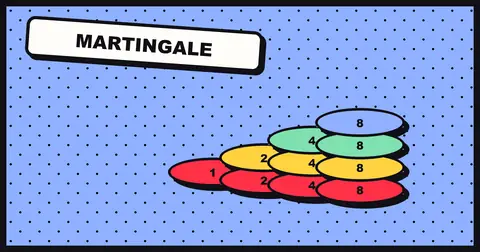
Betting systems and the Martingale myth
How the Martingale and similar systems work, why they cannot change the house edge and what they do to risk.
 Myths
Myth or fact? A gambling quiz
Twelve statements about odds, streaks, bonuses and betting systems. Decide whether each is a myth or a fact and see the math behind the answer.