How the calculation works
- Total wagered = stake × rounds, where rounds = rounds per hour × hours.
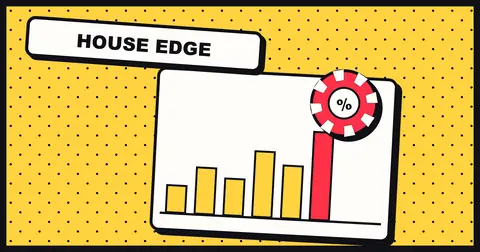
- Average cost = total wagered × house edge.
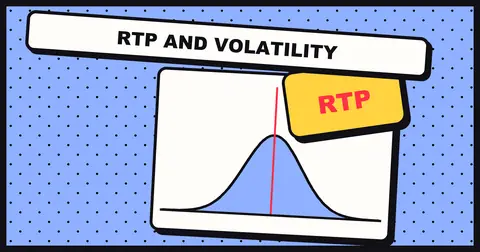
- Typical swing = stake × spread per round × √rounds. The spread grows with the square root of the number of rounds, so it overtakes the average cost quickly.
- Range = −average cost ± one swing. It is a rough normal approximation and gets less accurate for short sessions or very skewed games such as slots.
Worked example (hypothetical)
Blackjack, 60 hands an hour at 25 for one hour: wagered = 1,500; average cost = 1,500 × 0.005 = 7.50; swing = 25 × 1.15 × √60, about 222.7. The swing is about 30 times the average cost, which is why one session says little about the house edge. See blackjack house edge: worked examples.
Limits of the tool
House edges depend on the exact rules; see the blackjack rules that raise the house edge. The presets are sample values, and you can type your own.
Frequently asked questions
Why is the swing so much bigger than the average cost?
The average cost grows in proportion to the number of rounds, and the swing grows with its square root. For short sessions the swing dominates.
Can I use it for any game?
Yes, if you know the house edge and a reasonable spread. The result is a theoretical average and a rough range, not a forecast.